1
Clean the socket
The dentist numbs the area if needed, then gently flushes out food debris and bacteria so the bone can begin to heal.
After a tooth is pulled, a blood clot forms in the socket and protects the bone underneath. If that clot is dislodged or dissolves too early, the bone is exposed and the pain is intense. It is not dangerous, but it is miserable, and a dentist can fix it in minutes.
 1-855-219-4656
 It is not life-threatening, but it should be treated the same day because the pain is severe and over-the-counter medication barely touches it. Call 1-855-219-4656 and a dentist can pack the socket with a medicated dressing that brings relief almost immediately. Dry socket does not get better on its own quickly. Left alone it can take a week or more to settle, and the socket is open to food and bacteria the whole time.
Dry socket is the complication patients dread most after having a tooth out, and the reputation is fair. The relief from a dressing, though, is just as dramatic as the pain. Most people walk out of the office already comfortable, and a couple of quick dressing changes over the following week see it through.
Normal healing hurts most on the first day and eases after that. Dry socket follows the opposite pattern. If day three is worse than day one, the clot has probably been lost. Lower wisdom tooth sockets are affected most often, and smokers are at higher risk.
| Do | Don't |
|---|---|
| Rinse very gently with warm salt water to clear food from the socket | Do not swish hard, spit forcefully or use a water flosser near the site |
| Take ibuprofen and acetaminophen together as the labels allow | Do not smoke or vape. Suction pulls the clot out and nicotine slows healing |
| Hold a cold pack against the cheek for 15 minutes at a time | Do not drink through a straw or eat crunchy foods that fall into the socket |
| Call for a same-day dressing rather than waiting it out | Do not push clove oil, cotton or anything else into the socket yourself |
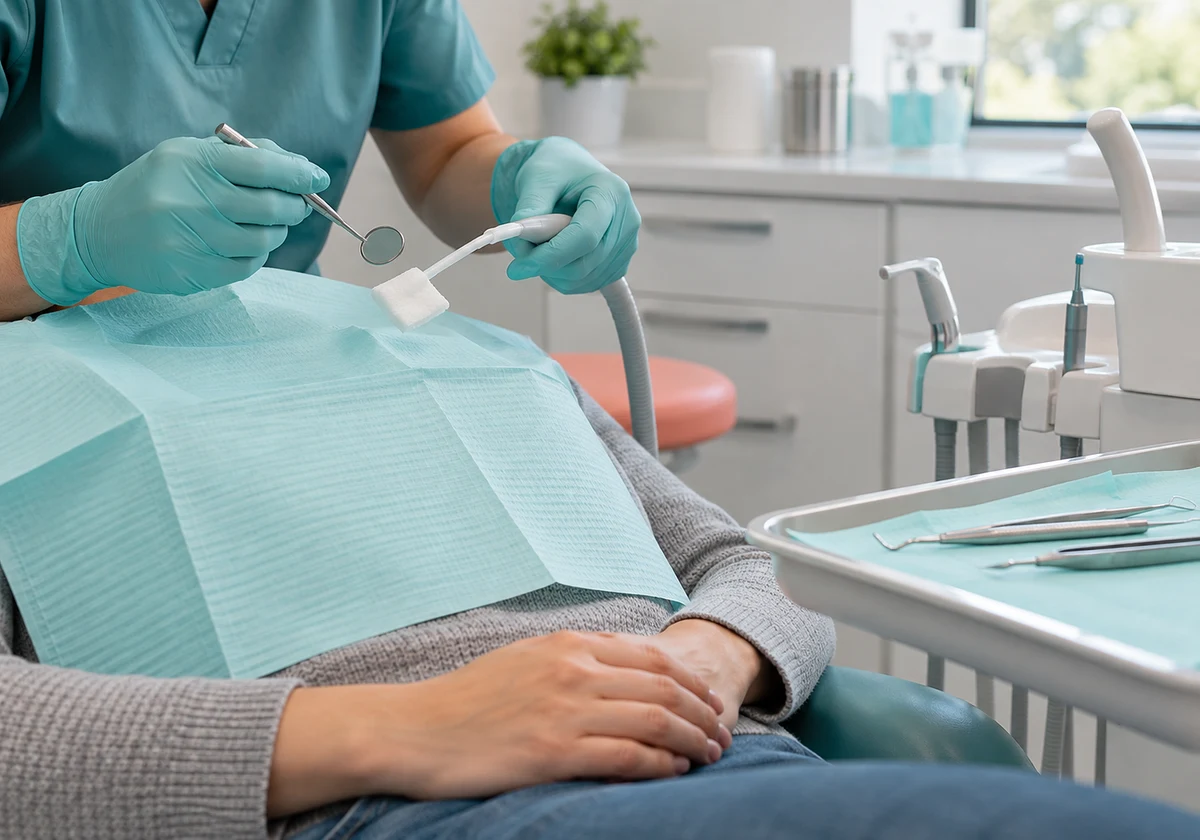
The dentist numbs the area if needed, then gently flushes out food debris and bacteria so the bone can begin to heal.
A small strip of gauze or paste soaked in a soothing medication goes into the socket. Most people feel the pain drop sharply within an hour. If the original extraction or wisdom tooth removal was elsewhere, bring any paperwork you have.
The dressing is changed every day or two for a few visits until new tissue covers the bone. If there are signs of infection, antibiotics are added.
| Treatment | Without insurance |
|---|---|
| Emergency exam + X-ray | $100–$250 |
| Socket cleaning + medicated dressing (often bundled with the exam) | $100–$250 |
| Drainage + antibiotics if the socket is infected | $200–$500 |
| Sedation for anxious patients | $50–$300 |
Estimates from partner clinic fee schedules. Your dentist quotes the exact fee before treatment. See the emergency dental cost guide and the no-insurance guide.
Treatments a dentist may use: Emergency tooth extraction, Wisdom tooth removal, Sedation for anxious patients.
Need help right now? Call 1-855-219-4656, free, 24 hours a day.

Medically reviewed by Dr. FULL NAME, DDS. Last reviewed . Sources: Mayo Clinic, Dry socket, ADA MouthHealthy, Extractions. Editorial policy.
Free helpline, open 24/7. We find a dentist who can treat you today.
Call 1-855-219-4656 Call now